
Today’s users love interacting with characters and companions technologies. Chatbots are a great example of this. They add a sense of personality to customer service, advertising and everyday interactions. The past months, they have also been gaining more traction in fandom, which I spoke about recently in an interview for Wired magazine. Data-driven characters are increasingly important in fandom, and I would love to talk you through the trends in chatbots specifically, and what they mean for the fan experience.
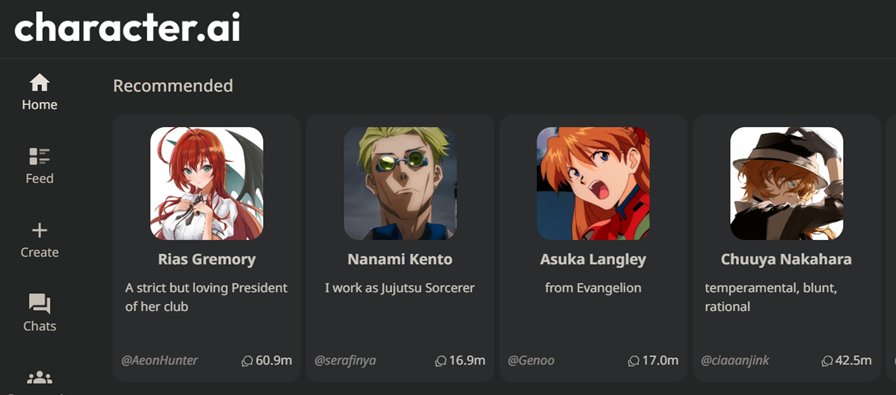
Chatbots have existed in the context of fandom for the past ten years, and gained more traction around five years ago. A gamechanger in fandom has been character.ai, which allows users to create chatbots of their favorite characters without any programming. Since its launch in 2022, users have created over 18 million characters and the average user spends about 2 hours a day interacting with them.
What is the history and importance of AI characters in fandom? What do platforms such as character.ai offer to fans? Let’s have a look.
A Short History of Chatbots in Fandom
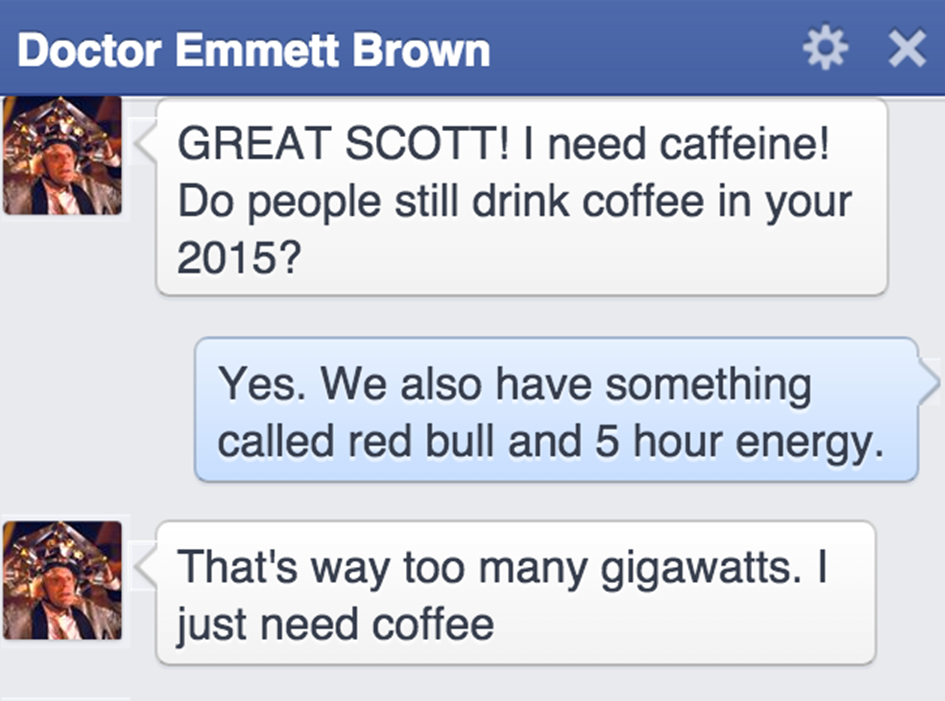
Chatbots have often been a part of marketing campaigns for dedicated fans. A huge benefit of chatbots, versus other media channels, is that they allow for more interaction with their brand. An examples of this is the chatbot of Zootropolis, launched by Disney for the film’s DVD’s release. Facebook users could solve crimes as Judy and this chatbot was indeed pre-programmed. A similar initiative was a Miss Piggy chatbot launched in 2016 in Facebook Messenger as well, and a Doc Brown chatbot launched by Universal on the same platform.
This first wave of character chatbots was deeply related to ecommerce and marketing. This approach is still popular today. Companies such as the Chatfuel have focused on messaging applications for years, and by now also integrate chatGPT. There are also companies that specialize in character chatbots specially, such as inworld.
The second wave of chatbots that we now find ourselves in is more user-driven. ChatGPT, Microsoft Bing and other tools allow us to have more meaningful conversations with chatbots. Character.ai even allows users to create bots themselves in an easy way. These tools have become democratized, and fans can more easily design their own chatbots thanks to these services.
Chatbots are becoming a type of fan expression in their own right. Designing them and responding to them has become a fan practice, and a way of deepening our relationships to fiction, celebrities and brands. How can we look at these new fan works and fan interactions?
Character.ai
Creating a chatbot that is interactive, unique and interesting is quite easy in character.ai. To create a character you add the name, a short introduction (“greeting”) and image. By editing the details you can add different categories and descriptions for the characters, suggested starters, a tone of voice, and you can even add a short example of a scripted conversation that becomes a data point for the chatbot.
When experimenting with character.ai, I created a chatbot of Bianca Dupree from Beverly Hills Teens among others. She has a very distinct voice as a socialite mean girl, and I thought that would be interesting to emulate. Plus, a lot of the characters that I was interested in already had bots, and I wanted to add something new to the platform. I was impressed by how fast the character was created and edited. For instance, you can rate responses with different stars depending on their quality, and can even edit specific replies to make them more form-fitting.
Overall, the process is fun, but making it character-specific can be time consuming because the AI also generates a lot of incorrect information. I interact with a chatbot of Saru from Star Trek: Discovery on regular basis, but the backstory and details are often incorrect. I can spend hours editing what he says, but Saru will still give similar incorrect responses, for instance about his backstory, relationships and interests. I hope the tool becomes even more customizable in the near future, so the generated text truly draws from the most important scripted interactions. Considering the current speed of AI development, I have no doubt we will get even more exciting and optimized tools the common years, just for fans.
But why do fan want to design and interact with a character on this level? A big part of the answer is emotions. Interactive media such as Character.ai allow us to deepen our parasocial relationships with characters, and thereby our connection to their narratives and story worlds. In my work I describe the relationships we develop towards characters as affective reception, a combination of interpretation and emotion. Characters specifically spark these emotions, from identification and love to downright hate.
“Chatbots can be part of a larger creative processes.”
Another reason why fans experiment with these tools is creativity. While there is an emotional component to these tools, centering around values like companionshipy, they are also part of a whole ecosystem. Character interactions connect to collaborative storytelling that fans do and do not exist in a vacuum. The inspiration that a fan gets from a chatbot might actually feed into fanfiction, role-playing and other fan practices. What happens when we play with chatbots is part of a larger, creative and participatory process. They provide inspiration, reflection and empathy. Perhaps I first interact with my chatbot of Bianca Dupree, and then move on to write fanfiction. Perhaps they inspire me in finding the right tone of voice for a character, or think of new plotlines. In other words, chatbots can be part of a creative processes.

Social and Ethical Implications for Fandom
One can wonder about the implications of chatbots for fandom. Do interactions with chatbots make fandom any less of a community? I would say no, because we use those characters as a jumping board to connect to each other. Characters are at the heart of fandom as an affective space. It’s through characters that fans relate to each other their communities. This ties in with the history of fandom, which was always very much character-driven. Think of the many fanzines around Spock (“Spockanalia”), which really explored this character, often in relation to Kirk.
Other fans may worry about the combination of characters with generative AI, which raises ethical concerns as well. Is it okay to scrape the internet without permission of its users, and to turn their content into training data for profit? I recently did a study on AI and fan art, and while fans do see possibilities in this space, they also worry because the process is so highly unregulated. Many worry that they are preyed on by large companies, and let’s be honest, this is already a thing. Even furry fandom has been scraped, generated, and automated, as this Wired article demonstrates. There is a large focus on regulation AI in mainstream spaces, but what about underground digital art and content? These spaces are even more at risk, because they are not on the radar of policy makers and governance.
A responsible use of AI and training data key in the future. It’s something in fandom that we didn’t discuss for a long time. Perhaps that also has to do with the difficult position that we have as fan creators, who work with existing IP’s and don’t always feel like that they own their work. We are part of a culture of collaborative storytelling and add to each other’s works. That these transformative works are now automated is concerning since they are semi-private and very specific. Content creators such as fans should be able to opt in and choose whether their content is used as data as not. And ideally, they get something in return for their contributions. It all starts with more transparency and regulation.
The Future of Characters and AI
The case of chatbots is not a singular one. Today’s fans pair new technologies with characters. They want to deepen their experience and relationships with specific media characters and celebrities. These relationships are deeply parasocial – a character or celebrity might not give anything back to us, but they are an important point of connection in our lives.
In that sense, the trend of chatbots relates to:
- Characters as a transmedia business model, such as franchising specific characters such as Loki, Obi Wan or Pikachu. A franchise like Pokémon or the MCU depends completely on extrapolating characters, I would say, rather than its stories
- Characters acting as virtual influencers, for instance as models, brand mascots and Instagram content creators. Think of Barbie being positioned more and more as a social media influencer, but also virtual celebrities like Lil Miquela or Hatsune Miku. Trends such as VTubing and virtual idols also fall into this space
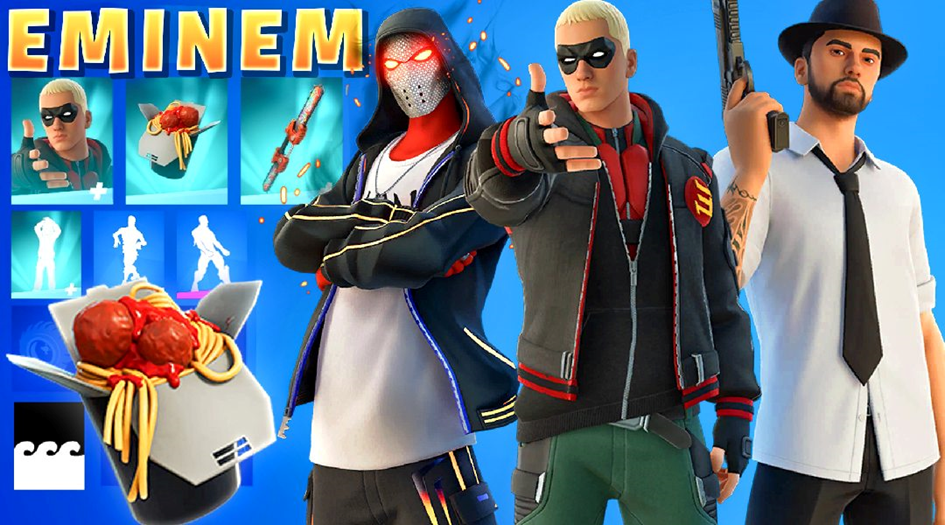
- Avatars as characters, such as the many creation tools for our own avatars and characters for metaverse applications. Ready Player Me is an excellent example of this, but you can a so think of Fortnite skins and fashion. The ultimate character that we want to create in these spaces could be ourselves, but it could also be something wildly different. Many men might prefer playing a girl or an anthropomorph character in VRChat. (Side-note here’s a great video that unpacks why so many users on VRChat are anime girls).
Today, this interest in characters is not only visible within fandom, but also as a strategy within companies. Businesses now realize that characters are their real assets, even more so than the stories that they tell. Disney villains and Nintendo characters are super specific, manifold, and each of them can be extrapolated through merchandise, spin-offs, and marketing experiences. Chatbots are a perfect tool to add to this media mix. They allow fans to understand their favorite characters better, talk to them, empathize with them, and spark inspiration for other fan works.
In the near future we’ll see more tools such as character.ai emerge. I’m personally very curious what happens when we add robotics, holograms and VR to the mix. We already see the first seeds right now. The future of fandom might not be a fanfiction site such as AO3, but rather a whole world or set of experiences in line with Fortnite, Hatsune Miku concerts and VRChat.
That also means that the days of transmedia storytelling are coming to a close, as character experiences will be less curated and scripted, and become a mix of highly personalized, data-driven performances. The age of characters has truly begun.
 Nicolle Lamerichs