
Podcasts are wildly popular. They are great entertainment while listeners exercise, engage in routine tasks or travel. There are millions of podcasts in the world. Podcastindex.org lists 4,113,260 to be specific on 22 February, 2024. True crime, sports, role-playing games, investigative journalism, comedy and so many other genres are part of this list. Since podcasts cover so many different interests, there’s something for everyone. What makes this audio content so engaging, and what is so unique and specific about its fans?
The Power of Podcasts
From audiobooks and ambient marketing to ASMR, sound has become prevalent in our media landscape. Today’s consumers do not only watch or read, they want to listen. The power of the voice, specifically, is what drives podcasts. It is enough to fuel our imagination, and keep us occupied. Podcasts are an example of that.
Since the 2000s podcasts have grown steadily, driven in particularly by the iPod and later by different apps, such as Spotify. Streaming this content is easy and its always accessible. The convenience of always having something to listen to – any place, any time! – is what makes podcasts so appealing to their listeners. As a form of consumption and fandom, it is highly associative and practical. We might listen to Welcome to Nightvale before we go to sleep, or enjoy cooking with the latest episode of My Favorite Murder. Podcasts become ingrained in our daily habits, even more so than other media, because we often combine them with other practices.
What also makes podcasts so engaging is that they cater to specific interests. Much like TikTok streams and YouTube vlogs, podcasts can offer something unique that a listener is looking for. True crime, self-help, video game reviews, anything goes in the world of podcasting. While podcasts clearly build on a wider history of radio and audio media, they often thrive in niches. I personally listen to a wide range of content, from in-depth reviews of Star Trek episodes to philosophical discussions, tech news and role-playing games.
Finally, podcasts are an intimate and personal medium. Listeners are drawn to the voices of podcasts hosts and learn to really appreciate them. It’s like checking in with a friend or listening into a conversation with your family. Podcasts, in other words, are a highly affective medium. They thrive around personality, relationships, closeness and shared interests. Feelings are what makes podcasts so particularly powerful.
Podcast Fandom
By now podcasts have become a staple in our culture. Only Murders in the Building quite vividly captures the fandom of true crime podcasts, for instance. In this atmospheric show, three residents of a charming apartment building in New York, portrayed by Steve Martin, Martin Short, and Selena Gomez, connect by their love for these podcasts. They investigate a string of murders together, eventually become friends and produce a podcast of their own. The show depicts podcast listeners with diverse backgrounds, all engaged by this medium. While fans have often been stereotyped in media, which is discussed at length in the collection Seeing Fans, their immersion is normalized in this show. Podcasts are not depicted as a niche, but as an attractive and engaging medium.
A reason why podcast fandom is seen as more acceptable than other fan cultures might be because it’s so ingrained in the medium. Relationships between fans and creators are crucial in podcast fandom. Without having this connection, a listener will tune in elsewhere. The term parasocial relationship was once coined to refer to these type of one-sided relationships between celebrities and fans. However, these relationships have become more dynamic in the age of digital content. Internet celebrities such as streamers or podcast hosts feel close and within reach. (They could respond to our DM’s!)
Moreover, these relationship are mutual and not just fan-driven. Many podcast hosts need their fans and also appeal to them. They might appeal to them for crowdfunding, for likes, or to share the podcast to reach a wider audience. Fans understand that these are not big productions, and are often happy to give back. This is nothing new in the current creator economy, where creators often cannot live from the income of platforms alone, and require an additional revenue stream from fans directly.
Podcast fandom is a highly personal form of fandom as well. Fans can find unique niches, hosts, and content to enjoy. The wider fan communities around these podcasts often have their own brand of humor, inside jokes and understanding that is far more personalized than mainstream fandom. Within podcast fandom, for instance, I was able to find forms of Star Trek fandom that were outside of the mainstream complaint culture on Facebook and X. Rather than dealing with negativity and critique of my favorite shows, such as Star Trek Discovery, I could listen to people who actually enjoyed these shows as much as I did, and connect with others through these podcasts.
Why are these connections in podcast fandom so good, when encounters in the same fandom can be so different in other groups? I think that it helps that podcasts are often quite specific and personal. They are made to connect and discuss stories in-depth. This builds wider communities, where like-minded people meet up to share appreciation and inspiration, rather than negativity. They connect based on references in the podcast and want to meet people who feel similar, rather than take down those that have a different opinion. Podcasts have made me love digital fandom again, in a time where I really felt estranged from it.
That brings me to a related point. Podcast can create new fan identities, because of our love for that specific show. However, they can also be a way to deepen or extend a fan identity that we already have, for instance as a DnD player, a Trekker or a true crime fan.

Extended Experiences
Increasingly, many podcasts have become big brands with their own merchandise and experiences. Think of the iconic Welcome to Nightvale live shows, the graphic novels of The Adventure Zone or the animation series of Critical Role. These products can be extended in many ways. Especially fictional podcasts can lead to more worldbuilding. The stories can be adapted to other media, or they can become a rabbit hole into a larger transmedia project or story.
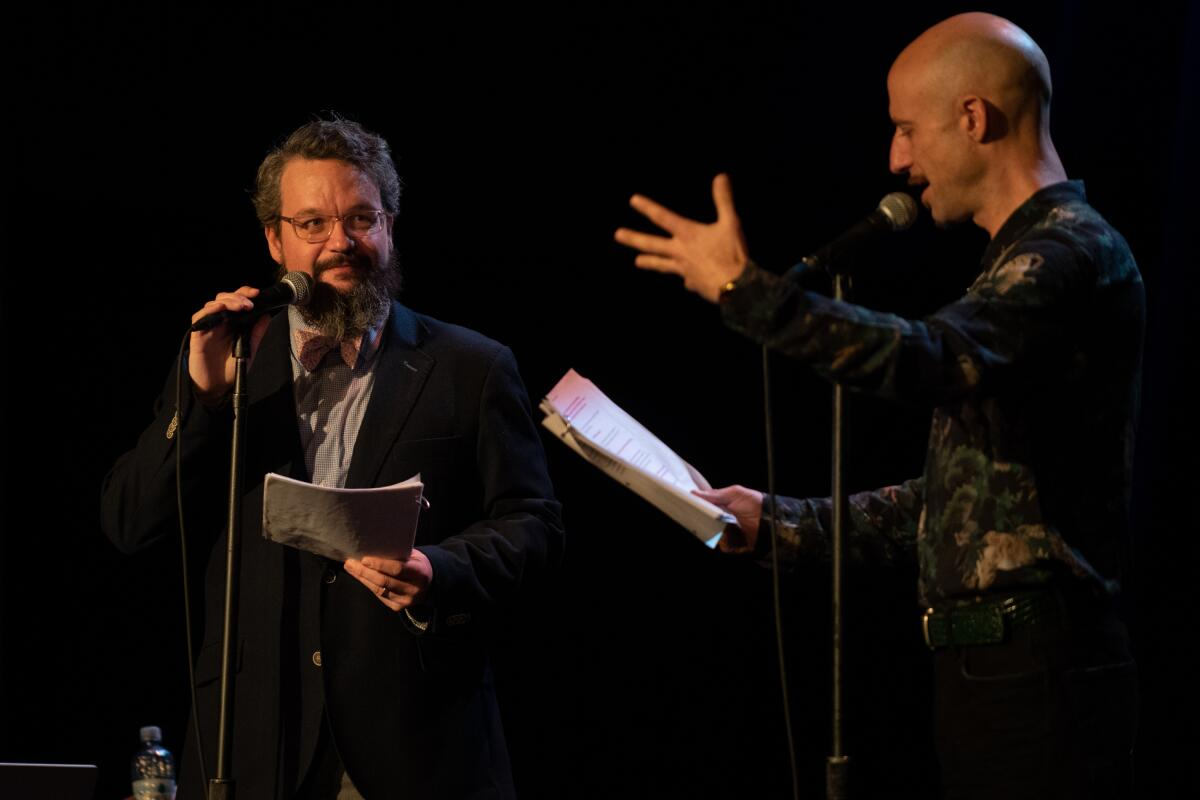
As performative media, many podcasts also lend themselves well to live experiences and recordings. This format also works well for non-fiction podcasts. The true crime podcast My Favorite Murder hosts large live events where its fans (“Murderinos”) meet up. Likewise, the Star Trek comedy podcast The Greatest Generation has intimate events for its listeners (“friends of Desoto”). Marah Eakina writes in Wired that these activations are key to podcasts, their growth and innovation: ‘The most financially and creatively successful podcasts are the ones that are also cultivating their own communities, with hosts taking care to connect on a more personal level with the fans whose ears they’ve whispered into for all these years’.

Upcoming Trends
By building on different media and experiences, podcasts can keep growing and draw new listeners. However, most podcasts thrive in niches. Just like other digital content, such as streaming, it can be difficult to find and sustain an audience that way. Podcasts will certainly stay a dominant medium the coming years, and some of the trends that I perceive are:
- Networks; connecting to podcast networks or publishers, such as Headgum or Maximum Fun, to make sure that content is findable and profitable for creators
- Multimedia; for instance by also streaming a video recording of the podcast on YouTube
- Experiences; building a stable brand with additional content and exclusive events
- Brand extension; some podcasts have been around for quite some years now and have become cultural juggernauts. While transmedia adaptations of podcasts are still an exception, I have no doubt the coming years we’ll see more content being produced that uses podcasts as its source
- Global podcasting events; though there are already some large podcasting events, there are relatively few outside of the US. This trend will undoubtedly spread to other countries and to more international events
 Nicolle Lamerichs